Choosing curtains for a Dubai home involves more than picking a beautiful fabric. The heading style changes how the fabric falls, how much visual weight it adds, and how well it works with the architecture. Wave curtains and pinch pleat curtains are two strong choices, but they create very different moods. One feels streamlined and contemporary, while the other brings tailored elegance and traditional character.
What Makes Wave Curtains Different?
Wave curtains use specially spaced gliders on a compatible track to create continuous S-shaped folds. Instead of forming separate pleated sections, the fabric flows in a regular rhythm from one end to the other. This gives the window a calm, uncluttered appearance.
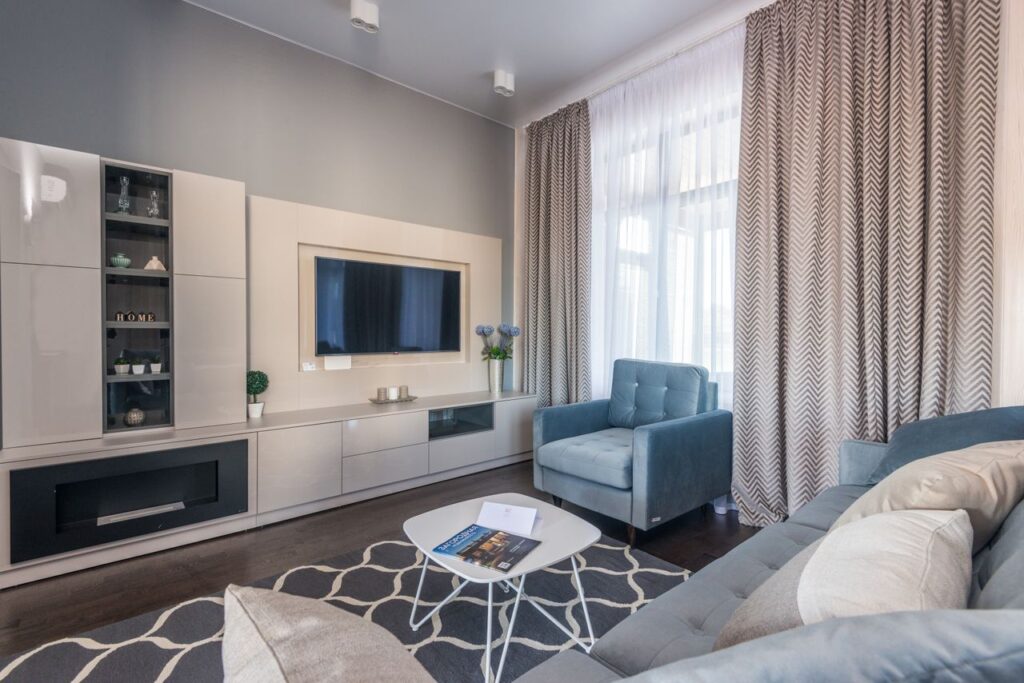
The design works particularly well with wide glazing and full-height windows, which are common features in contemporary Dubai residences.
- Continuous folds create a smooth, consistent appearance.
- Dedicated wave tracks maintain the spacing between folds.
- The style suits minimalist and contemporary interiors.
- Sheer and blackout fabrics can both be used.
- Full-height installations can reinforce a room’s vertical lines.
What Makes Pinch Pleat Curtains Different?
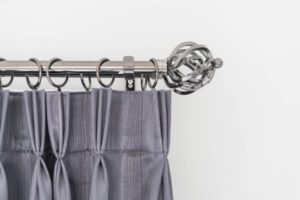
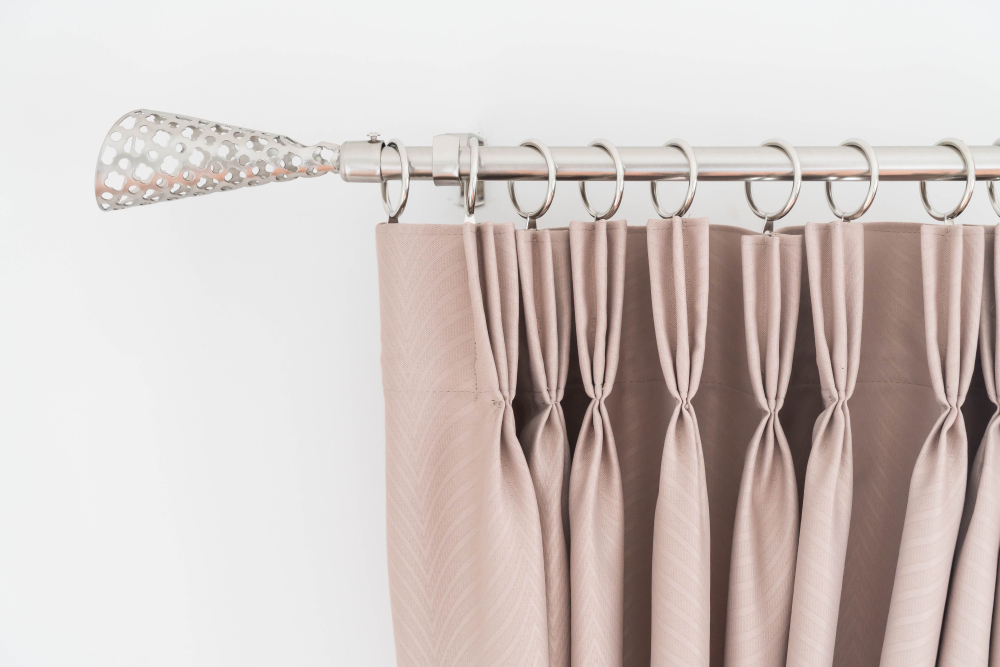
Pinch pleat curtains gather fabric into defined groups of folds that are stitched into the curtain heading. Double and triple pinch pleats offer different levels of fullness, but both create a more structured appearance than wave curtains.
This heading can suit homeowners who want their curtains to feel decorative rather than purely architectural. It also works with curtain tracks and selected poles, giving greater flexibility with hardware.
- Fixed pleats create a tailored appearance.
- Double pleats offer a cleaner, less formal finish.
- Triple pleats provide greater fullness and visual richness.
- The style complements classic and transitional interiors.
- Decorative poles can become part of the overall design.
Wave vs Pinch Pleat: Which Looks Better in Dubai?
There isn’t one universal winner. The right choice depends heavily on the interior style and the character of the room.
Wave curtains generally suit contemporary Dubai apartments, modern villas, and spaces dominated by clean lines. Pinch pleats can be more appropriate when the interior includes ornate furniture, traditional detailing, rich fabrics, or a formal design direction.
For homeowners comparing wave curtains Dubai options, the architecture should guide the decision rather than trends alone.
- Choose wave for minimalist, contemporary interiors.
- Choose pinch pleat for classic or formal rooms.
- Consider wave for expansive glass surfaces.
- Consider pinch pleat where curtains are intended as a decorative feature.
- Match the heading with furniture, wall finishes, and architectural details.
Which Style Works Better for Large Windows?
Large windows can expose differences between curtain headings very quickly. Wave curtains maintain a consistent rhythm across broad openings, making them a natural match for floor-to-ceiling glazing. Pinch pleats create more pronounced sections, which can add character but may feel visually heavier across very wide spans.
The track and available stacking space also matter. A beautiful curtain can become inconvenient if there isn’t enough room for the panels to move away from the glass.
- Wave curtains create continuity across wide openings.
- Pinch pleats add stronger definition to individual curtain panels.
- Measure stacking areas before finalising the design.
- Consider how much glass should remain visible when curtains are open.
- Use full-height installations where the architecture supports them.
Which Curtain Style Offers Better Light and Privacy Control?
Neither heading automatically determines how much light a curtain blocks. The fabric, lining, colour, and overall construction have a greater influence. A wave curtain can use sheer fabric for filtered daylight or blackout material for stronger privacy. Pinch pleats offer the same fabric choices.
For Dubai homes exposed to strong daylight, selecting the right material is therefore more important than choosing a heading based solely on appearance.
- Sheer fabrics soften daylight without making rooms feel dark.
- Blackout fabrics provide stronger light control and privacy.
- Layering sheer and blackout curtains gives greater flexibility.
- Darker or denser fabrics generally create a heavier visual effect.
- Consider each room’s sunlight exposure before choosing fabric.
Which Style Is Better for Modern Dubai Homes?
Wave curtains usually have the advantage when the goal is a contemporary, understated finish. Their regular folds complement clean walls, large glass surfaces, neutral palettes, and modern furniture. They also pair naturally with motorized track systems where convenient operation is a priority.
Pinch pleats remain a strong option when a homeowner wants warmth, formality, or a more traditional sense of luxury. They can prevent a contemporary room from feeling overly stark when combined with suitable fabrics and furnishings.
- Wave suits minimalist and modern interiors.
- Pinch pleat suits classic, transitional, and formal interiors.
- Both styles can accommodate sheer and blackout materials.
- Both can be custom-made for different window dimensions.
- Motorization can be considered when the track system supports it.
How Should You Choose Between Wave and Pinch Pleat?
Start with the room’s visual language. If the space relies on simplicity, uninterrupted lines, and large areas of glass, wave curtains will usually feel more integrated. If the room features layered textures, detailed furniture, or a formal decorative scheme, pinch pleats may provide the stronger finishing touch.
Urban Shades can help homeowners assess fabric, heading, track, and installation requirements together rather than treating each decision separately.
- Consider the room’s architectural style first.
- Check whether a rod or specialised track suits the project.
- Select fabric based on light and privacy requirements.
- Think about how often the curtains will be opened.
- Request fabric samples before making a final decision.
Conclusion
Wave and pinch pleat curtains can both create an elegant finish, but they speak different design languages. Wave curtains favour clean continuity and contemporary simplicity, while pinch pleats bring structure, fullness, and traditional refinement. For many modern Dubai interiors, wave curtains provide a natural match for expansive glazing and minimalist architecture. Pinch pleats remain compelling when the design calls for a more tailored and decorative presence. Urban Shades can help match the heading, fabric, and track system to the home’s overall design rather than choosing one feature in isolation.