
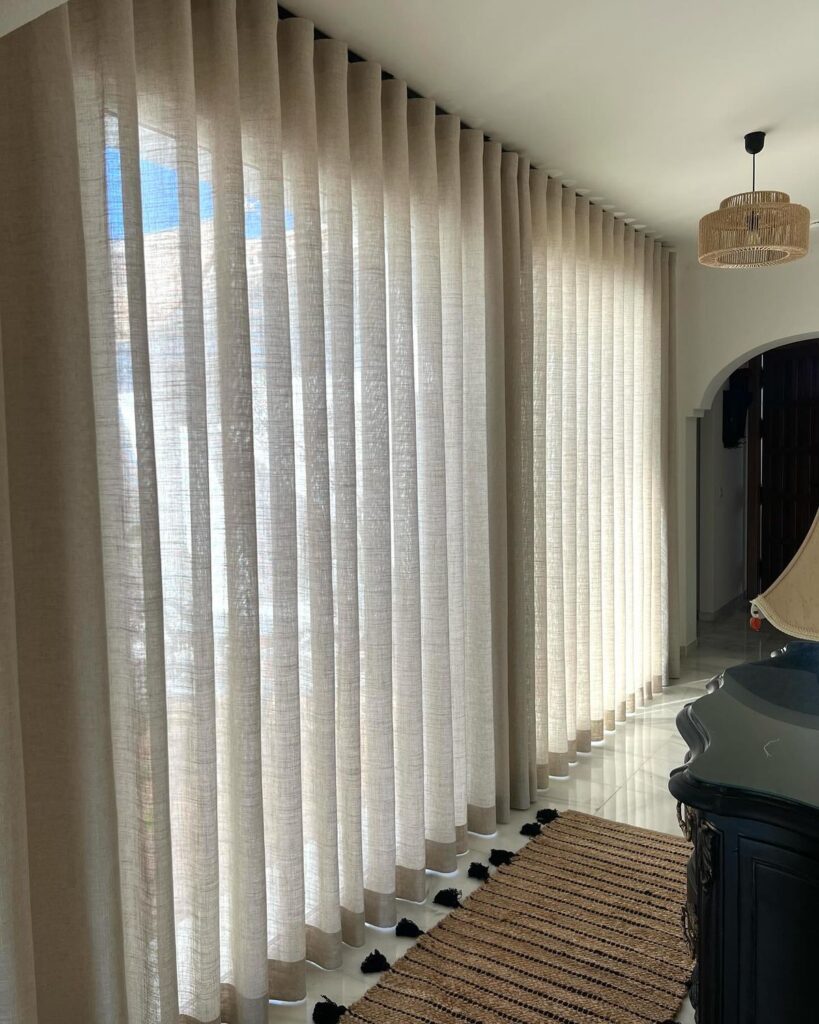
Bright windows can make a room feel open, but direct sunlight can also create glare, expose interiors and make certain spaces feel visually harsh. Sheer wave curtains offer a softer approach. They filter daylight through lightweight fabric while maintaining a clean sequence of folds that suits contemporary interiors.
The appeal isn’t limited to appearance. The combination of translucent fabric and a structured track can influence privacy, light distribution and the way a room feels throughout the day. For apartments, villas and modern offices, this balance makes sheer wave curtains a practical alternative to heavier window treatments.
Why Sheer Fabric Works So Well
Sheer fabric changes the quality of incoming daylight rather than simply blocking it. Sunlight passes through the textile and spreads across the room, creating a gentler atmosphere. The result works especially well where natural brightness matters but completely uncovered windows feel too exposed.
Key characteristics include:
- Soft daylight: Translucent material reduces the harshness of direct brightness.
- Visual privacy: Sheers can obscure interior details during brighter daytime conditions.
- Airy appearance: Lightweight fabric keeps large windows from looking visually heavy.
- Natural connection: Filtered daylight helps maintain a brighter relationship with outdoor views.
- Layering potential: Sheers can work with blackout curtains when stronger privacy or darkness is required.
How Wave Folds Create a Modern Finish
The curtain’s folding pattern plays an equally important role. Wave curtains use evenly spaced gliders along a dedicated track, allowing the fabric to form a continuous series of smooth curves. Unlike traditional pleats, the folds don’t create a busy stacked appearance.
This style brings several design benefits:
- Clean rhythm: Repeated folds create visual consistency across the window.
- Minimalist character: The simple pattern complements uncluttered interiors.
- Neat stacking: Curtains gather compactly when opened, leaving more glass visible.
- Full-height effect: Floor-to-ceiling installation can make windows appear taller.
- Contemporary appeal: The restrained profile pairs naturally with modern furniture and architectural details.
Choosing Sheer Fabric for Dubai Windows
Climate and window orientation should influence fabric selection. Strong sunlight can be demanding, particularly around expansive glazing. A sheer should provide the desired softness without becoming impractical for everyday use.
When comparing materials, consider:
- Fabric density: A more tightly woven sheer provides greater visual screening while still allowing daylight through.
- Texture: Subtle woven textures can add depth without creating a patterned appearance.
- Colour: Ivory, white, beige and pale grey can produce different levels of visual warmth.
- Durability: Fabrics intended for frequent operation should retain their drape and appearance over time.
- Maintenance: Easy-care materials can make regular cleaning simpler in dusty environments.
Where Sheer Wave Curtains Work Best
Not every room needs the same level of light control. Sheer curtains are particularly effective in spaces where daylight remains desirable and privacy requirements aren’t absolute throughout the day.
Consider them for:
- Living rooms: Sheers soften strong daylight while keeping the room bright and welcoming.
- Dining areas: Light fabric creates an elegant backdrop without overwhelming furniture.
- Bedrooms: Sheers can provide daytime privacy when paired with a blackout layer.
- Home offices: Filtered sunlight can reduce the visual discomfort caused by bright windows.
- Large glass openings: Continuous wave folds can unify several panels into one coherent treatment.
Getting the Track and Fullness Right
A beautiful fabric can lose its impact if the track or fullness doesn’t suit the window. Wave curtains depend on consistent spacing, so installation accuracy affects the final appearance. The track also needs to support smooth movement without disturbing the fold pattern.
Focus on these installation details:
- Track alignment: A straight track helps maintain uniform waves from one end to the other.
- Correct fullness: Sufficient fabric creates defined folds instead of a flat appearance.
- Mounting height: Installing closer to the ceiling can strengthen the room’s vertical lines.
- Stacking clearance: Adequate side space prevents opened curtains from unnecessarily covering the glazing.
- Smooth gliders: Reliable movement helps preserve the curtain’s rhythm during everyday operation.
Combining Sheers With Blackout Curtains
A layered window treatment gives homeowners greater control over changing conditions. Sheer curtains can remain closed during the day, while a blackout layer can provide deeper darkness and privacy when needed.
Useful combinations include:
- Sheer plus blackout: Suitable for bedrooms and media spaces.
- Neutral layered fabrics: Create a coordinated appearance without excessive contrast.
- Motorised layers: Allow both fabrics to operate independently for precise light control.
- Ceiling-mounted systems: Keep the overall installation visually clean.
- Double tracks: Separate the layers while maintaining a unified window treatment.
Conclusion
Sheer wave curtains bring together filtered daylight, privacy and a refined folding pattern. Their lightweight appearance works particularly well with modern interiors, while layered installations can provide stronger control when sunlight or privacy demands change.
For homeowners considering wave curtains dubai, the best result comes from treating fabric, track, fullness and window conditions as one design decision. When those elements are properly matched, the curtains don’t compete with the architecture. They quietly improve how the room looks and feels throughout the day.