
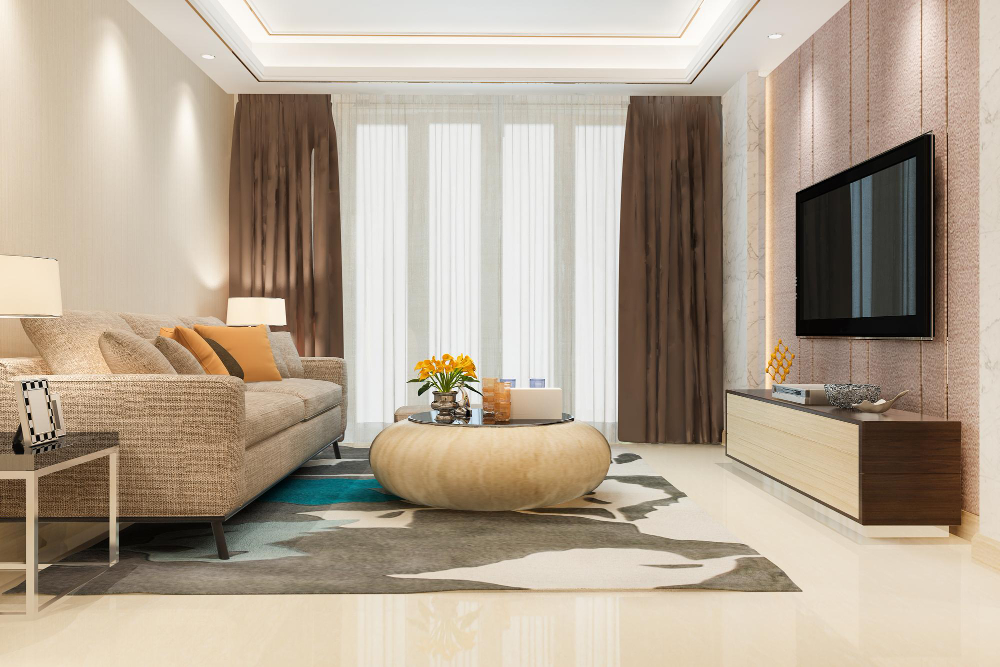
When it comes to enhancing the beauty and functionality of your home interiors, choosing between blinds and curtains can be a challenging decision. Both options offer unique advantages in terms of style, light control, privacy, and insulation. If you are exploring blinds and curtains Dubai, understanding their differences, types, and practical applications will help you make the right choice for your space.
What Are Blinds?
Blinds are modern window coverings made from slats or panels that can be tilted, raised, or lowered to control light and privacy. They are typically crafted from materials like wood, aluminum, PVC, or fabric.
Key Features of Blinds:
- Sleek and contemporary appearance
- Precise light control through adjustable slats
- Easy to clean and maintain
- Space-saving design
Blinds are ideal for modern apartments, offices, and minimalistic interiors where functionality and clean lines are preferred.
What Are Curtains?
Curtains are fabric-based window coverings that hang from rods and are usually drawn open or closed. They are available in a wide variety of colors, patterns, and materials, making them a popular choice for decorative purposes.
Key Features of Curtains:
- Soft and elegant appearance
- Wide range of fabric choices
- Excellent insulation and sound absorption
- Adds warmth and luxury to interiors
Curtains are commonly used in bedrooms, living rooms, and traditional or luxury spaces where aesthetics play a major role.
Blinds vs Curtains: Key Differences
Understanding the core differences between blinds and curtains can simplify your decision-making process.
1. Light Control
Blinds provide superior light control due to their adjustable slats. You can precisely regulate the amount of sunlight entering the room. Curtains, on the other hand, offer limited control unless paired with sheer layers or blackout fabrics.
2. Privacy
Both blinds and curtains offer privacy, but blinds allow you to maintain privacy while still letting in natural light by tilting the slats. Curtains need to be fully closed to ensure privacy.
3. Aesthetic Appeal
Curtains are often chosen for their decorative value. They add softness, texture, and color to a room. Blinds offer a more modern, clean, and minimalistic look.
4. Maintenance
Blinds are easier to clean and maintain compared to curtains. Most blinds can be wiped with a cloth, while curtains often require washing or dry cleaning.
5. Space Utilization
Blinds are compact and ideal for small spaces. Curtains require more space as they hang and may extend beyond the window frame.
6. Cost
Blinds can be cost-effective depending on the material, while curtains vary widely in price based on fabric and design. High-end curtains can be more expensive than standard blinds.
Types of Blinds
Blinds come in various styles, each suited for different needs and interior designs.
1. Roller Blinds
Simple and functional, roller blinds consist of a single fabric panel that rolls up and down. They are ideal for modern homes and offices.
2. Venetian Blinds
These blinds feature horizontal slats that can be tilted to control light. They are available in wood, aluminum, or PVC.
3. Vertical Blinds
Perfect for large windows or sliding doors, vertical blinds have slats that run vertically and can be rotated or drawn sideways.
4. Roman Blinds
Roman blinds offer a blend of fabric elegance and blind functionality. They fold neatly when raised, creating a soft layered look.
5. Motorized Blinds
A popular choice in smart homes, motorized blinds can be controlled via remote or mobile apps, offering convenience and luxury.
Types of Curtains
Curtains also come in a wide variety of styles to suit different interior themes.
1. Sheer Curtains
Lightweight and translucent, sheer curtains allow natural light to filter through while maintaining a level of privacy.
2. Blackout Curtains
These curtains block out sunlight completely, making them ideal for bedrooms and media rooms.
3. Eyelet Curtains
Featuring metal rings at the top, eyelet curtains are easy to hang and provide a modern look.
4. Pleated Curtains
These curtains have structured folds that add a formal and elegant appearance to the space.
5. Layered Curtains
Combining sheer and blackout fabrics, layered curtains offer flexibility in light control and design.
How to Choose Between Blinds and Curtains
Selecting the right option depends on several factors, including your needs, space, and design preferences.
1. Consider the Room Type
- Bedrooms: Curtains, especially blackout types, are ideal for better sleep.
- Living Rooms: Both blinds and curtains work well depending on the style.
- Kitchens & Bathrooms: Blinds are more practical due to moisture resistance.
2. Evaluate Light Requirements
If you need precise light control, blinds are the better option. For softer, diffused lighting, curtains are more suitable.
3. Think About Maintenance
If you prefer low-maintenance solutions, blinds are easier to clean compared to fabric curtains.
4. Match Your Interior Style
- Modern interiors: Blinds
- Traditional or luxurious interiors: Curtains
5. Budget Considerations
Determine your budget and compare options. Blinds are often more affordable, while premium curtains can be an investment.
Can You Combine Blinds and Curtains?
Yes, combining blinds and curtains is a popular trend in interior design. This approach offers the best of both worlds—functional light control from blinds and aesthetic appeal from curtains.
For example:
- Pair sheer curtains with roller blinds for a soft and modern look
- Use blackout curtains over blinds for enhanced privacy and insulation
This layered approach not only improves functionality but also adds depth and sophistication to your space.
Final Thoughts
Both blinds and curtains have their own unique advantages, and the right choice depends on your lifestyle, interior design, and functional needs. Blinds are perfect for those who prefer a sleek, modern, and low-maintenance solution, while curtains are ideal for adding warmth, elegance, and a decorative touch.
If you’re looking to elevate your interiors with a stylish and contemporary finish, options like wave curtains Dubai are gaining popularity for their smooth, flowing design and premium appeal. Ultimately, whether you choose blinds, curtains, or a combination of both, the key is to create a balance between style, comfort, and practicality.