
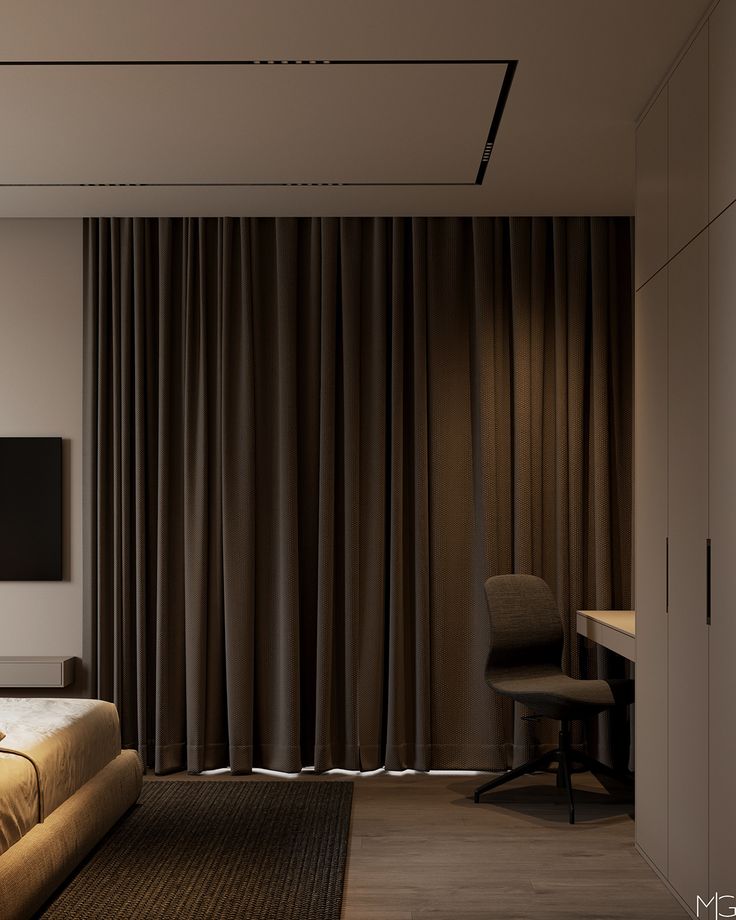
A room can have beautiful furniture, carefully chosen lighting and expensive finishes, yet harsh sunlight can change the entire atmosphere within minutes. Windows play a bigger role in comfort than many interiors acknowledge. Blackout wave curtains offer a practical way to manage intense daylight while keeping the clean, flowing appearance associated with contemporary window treatments.
Unlike conventional heavy curtains that can make a room feel bulky, wave curtains create evenly spaced folds along a specialised track. When paired with blackout fabric, they combine visual softness with stronger privacy and light control. That makes them suitable for bedrooms, media rooms, living spaces and other areas where sunlight needs careful management.
Why Blackout Fabric Works Well in Dubai Homes
Dubai’s bright climate makes window performance particularly important. Large glass panels can introduce strong daylight and glare, especially when windows receive direct sun for several hours. Blackout fabric creates a denser barrier between the interior and the window, helping create a darker and more controlled environment.
Key benefits include:
- Light reduction: Dense fabric limits unwanted daylight entering the room.
- Privacy: Closed curtains create a stronger visual barrier from outside.
- Glare control: Reduced brightness can make televisions and screens easier to view.
- Interior comfort: Blocking intense sunlight can help create a more comfortable room environment.
- Furniture protection: Limiting direct sunlight can reduce prolonged exposure of furnishings and decorative finishes.
How Wave Folds Change the Overall Look
The curtain pattern has a direct effect on how a room feels. Wave curtains create a continuous sequence of smooth folds rather than traditional pleats, giving windows a streamlined appearance. The fabric stacks neatly when opened and spreads evenly when closed.
This design works particularly well with:
- Modern interiors: Clean folds complement simple furniture and uncluttered layouts.
- Minimalist rooms: The consistent rhythm of the waves adds texture without visual heaviness.
- Floor-to-ceiling windows: Full-height installation can emphasise vertical proportions.
- Wide openings: A continuous track creates a unified treatment across expansive glazing.
- Luxury spaces: Rich blackout fabrics can introduce depth without relying on elaborate patterns.
Choosing the Right Blackout Curtain Fabric
Not every blackout textile produces the same result. Thickness, flexibility, texture and finish influence both appearance and movement. A fabric should create defined folds without becoming so stiff that the waves lose their natural flow.
When comparing fabric samples, look at:
- Opacity: Check how effectively the material blocks light when held against a bright window.
- Weight: Medium to heavier materials can create fuller folds, but the track must support the selected textile.
- Texture: Smooth finishes create a sharper contemporary appearance, while textured surfaces add depth.
- Colour: Darker shades can create a dramatic atmosphere, while lighter tones maintain a softer visual character.
- Maintenance: Choose a finish that suits the room’s cleaning requirements and frequency of use.
Where Blackout Wave Curtains Make the Most Sense
Different rooms need different levels of light control. A bedroom may require darkness for comfortable sleep, while a living room might need privacy without remaining completely dark throughout the day.
Consider these applications:
- Bedrooms: Blackout material can reduce early morning brightness and improve privacy.
- Media rooms: Lower ambient light can create better viewing conditions for films and television.
- Living rooms: Full-length curtains can control intense sunlight while maintaining an elegant appearance.
- Home offices: Reduced glare can make computer screens easier to use near bright windows.
- Children’s rooms: Stronger light control can help create a calmer sleeping environment.
Getting the Track and Installation Right
Even premium fabric can look untidy when the supporting system isn’t properly selected. Wave curtains depend on correctly spaced gliders, accurate track positioning and sufficient fabric fullness. The installation height also affects the visual proportion of the room.
Pay attention to:
- Track quality: Smooth-running gliders help maintain consistent movement.
- Mounting position: Ceiling or high wall installation can create a taller visual effect.
- Fabric fullness: Correct fullness keeps the waves defined when the curtain closes.
- Stacking space: Allow enough room beside the window for the curtains to open without covering excessive glass.
- Motorisation: Motorised operation can make large or frequently used curtains easier to control.
Balancing Style, Privacy and Daily Performance
For homeowners comparing blackout wave curtains Dubai options, the smartest choice isn’t simply the thickest fabric available. The window’s orientation, room function, interior palette and operating frequency all matter.
A well-planned installation should look refined when closed, stack neatly when open and remain practical throughout daily use. Fabric, track and installation need to work as one system rather than being selected independently.
Conclusion
Blackout wave curtains bring together controlled daylight, privacy and a polished architectural appearance. Their smooth folds suit contemporary interiors, while dense fabrics provide practical benefits for rooms exposed to strong sunlight.
The best result comes from matching fabric weight, opacity, colour and texture with the room’s requirements. Add the right track, appropriate fullness and accurate installation, and the window becomes more than a decorative feature. It becomes part of the room’s comfort and visual balance.