Choosing curtain fabric in Dubai isn’t only about colour and style. Strong sunlight, high temperatures, dust and humidity can affect how window treatments look and perform over time. For wave curtains, fabric selection becomes even more important because the material needs to form smooth, consistent folds across the curtain track.
The right fabric can improve light control, privacy, comfort and the overall appearance of a room. The wrong one may fade, collect dust or fail to create the neat wave pattern expected from this curtain style.
Why Dubai’s Climate Matters When Choosing Curtain Fabric
Dubai’s intense sunshine can expose curtains to prolonged UV radiation, particularly around floor-to-ceiling windows and large glazed openings. Heat entering through glass can also increase indoor temperatures, while dust creates another maintenance concern.
Before selecting fabric, consider these conditions:
- Direct sunlight: Strong UV exposure can gradually affect colour and fabric quality.
- Heat: Dense curtain materials can help reduce excessive brightness and solar heat.
- Dust: Easy-care fabrics are practical for homes that require frequent cleaning.
- Humidity: Fabric performance should remain stable in rooms exposed to changing moisture levels.
- Air conditioning: Curtains should maintain their shape despite repeated changes between indoor and outdoor temperatures.
Best Fabrics for Wave Curtains in Dubai
Wave curtains work with different textile types, but each creates a distinct visual and functional result. The choice should depend on the room, window position, desired privacy and amount of natural light.
Common fabric options include:
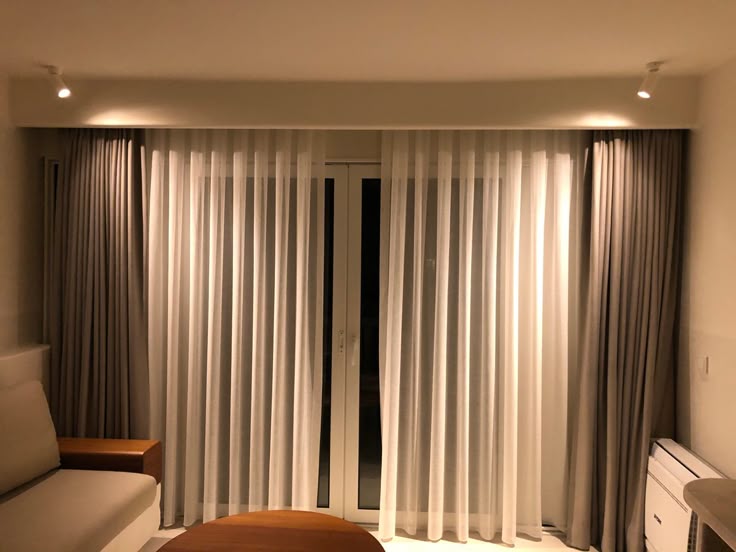
- Sheer curtains: Allow daylight to enter while creating a softer layer of privacy. They’re particularly suitable for living rooms and bright open spaces.
- Linen-look fabrics: Add natural texture and a relaxed appearance without making the room feel visually heavy.
- Polyester fabrics: Offer practical durability, consistent folds and relatively easy maintenance.
- Blackout curtains: Help control sunlight and privacy, making them suitable for bedrooms, media rooms and rooms exposed to strong daylight.
- Velvet fabrics: Create a luxurious appearance with deeper folds, although they generally require more careful maintenance.
Choosing Wave Curtain Fabric for Different Rooms
Every room has a different requirement. A living room may benefit from filtered daylight, while a bedroom often needs stronger light blocking. Matching the textile to the purpose of the space creates a more functional result.
Consider these options:
- Living room: Sheer or light-filtering fabric keeps the space bright while softening harsh sunlight.
- Bedroom: Blackout or room-darkening fabric provides greater privacy and helps limit early morning light.
- Dining room: Textured fabrics can introduce visual depth without overpowering the furniture.
- Home office: Light-filtering materials can reduce glare while preserving natural brightness.
- Large glass windows: Medium-weight fabrics can provide defined folds without creating excessive visual weight.
How Fabric Weight Affects Wave Curtain Folds
The wave effect depends on how the fabric falls across the track. Fabric weight, flexibility and fullness all influence the final appearance. Lightweight textiles usually create softer movement, while heavier materials produce fuller and more pronounced waves.
Pay attention to these factors:
- Lightweight fabric: Creates an airy, flowing appearance suitable for contemporary interiors.
- Medium-weight fabric: Provides a balance between structure, privacy and smooth movement.
- Heavy fabric: Creates deeper folds and stronger light control but may require a suitable curtain track.
- Fabric fullness: Adequate fullness helps create evenly spaced waves when the curtains are closed.
- Track system: Quality gliders allow the fabric to move smoothly and maintain consistent spacing.
How to Choose Wave Curtains for Dubai Homes
When selecting wave curtains dubai homeowners should look beyond fabric colour and focus on the window’s actual conditions. A west-facing window receiving intense afternoon sun may require a different solution from a shaded bedroom window.
Use these practical considerations:
- Check sunlight exposure: Identify when direct sunlight reaches the glass.
- Consider privacy: Decide whether the curtains need privacy during the day, night or both.
- Think about maintenance: Select a material that suits the room’s cleaning requirements.
- Compare fabric samples: View samples beside your flooring, furniture and wall colours.
- Consider curtain operation: Frequently used curtains need fabric and tracks that can handle regular movement.
- Match the interior style: Texture, weight and colour should work with the room rather than compete with it.
Creating a Long-Lasting Wave Curtain Look
A successful curtain installation combines the right textile with suitable fullness, a reliable track and accurate installation. Fabric alone doesn’t determine the finished result. The track spacing, mounting position and amount of material used can all influence how evenly the waves form.
For Dubai homes, durability should sit alongside visual appeal. A fabric that handles sunlight, remains easy to maintain and falls neatly across the track can continue looking polished for longer.
Conclusion
The best fabric for wave curtains depends on the room, window orientation, sunlight exposure, privacy requirements and desired interior style. Sheer fabrics suit bright social spaces, blackout materials work well for bedrooms, while medium-weight textured options can provide a balanced finish.
Choosing fabric with Dubai’s climate in mind helps create wave curtains that look refined, move smoothly and remain practical for everyday living.