A curtain can do more than cover a window. When it opens smoothly, closes quietly, and keeps every fold evenly aligned, it becomes part of the room’s architecture. Motorized wave curtains combine that visual precision with automated movement, creating a clean window treatment suited to contemporary homes, apartments, offices, and hospitality spaces.
The wave design uses continuous, evenly spaced folds that create a soft flowing appearance across the window. Adding motorized operation removes the need to pull the fabric manually. With a remote, wall control, or compatible smart home system, the curtains can move according to your routine.
What Makes Motorized Wave Curtains Different
Traditional curtains depend on manual handling, while automated systems introduce controlled movement. The difference isn’t only about convenience. The track, fabric, spacing, and motor work together to create a more consistent finish.
A well-planned system offers several practical advantages:
- Consistent folds: The wave formation remains evenly distributed when the curtain moves along the track.
- Smooth operation: A suitable motor reduces sudden pulling and unnecessary strain on the fabric.
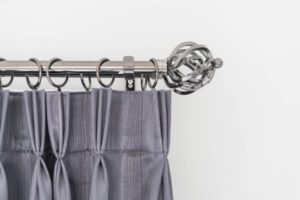
- Clean appearance: The track stays discreet, allowing the fabric to remain the main visual feature.
- Flexible control: Users can operate the curtains individually or as part of a wider room automation setup.
- Better accessibility: Automation can make large or hard-to-reach windows easier to manage.
The result feels less like a conventional curtain and more like a carefully integrated architectural feature.
Choosing the Right Fabric and Track
Automation works best when the fabric and track are selected as a pair. A heavy textile may require a stronger motor, while lightweight sheers can move with less mechanical load. The curtain’s finished width also affects how much fabric gathers along the track.
Before choosing a system, consider these factors:
- Fabric weight: Heavier materials need appropriate motor capacity and track support.
- Window width: Wide openings may require stronger components or multiple curtain panels.
- Wave spacing: Different spacing options change the density and visual character of the folds.
- Track configuration: Straight, corner, and multi-panel arrangements require different planning.
- Lining requirements: Blackout or thermal lining can change the overall weight and handling of the curtain.
For larger Dubai windows, accurate measurement matters. A few centimetres can affect the way the folds stack, especially when the curtains are designed to meet precisely at the centre.
How Automation Fits Modern Interiors
The strongest reason to choose automated wave curtains isn’t simply that they look advanced. Their real value appears when they become part of the way a room functions.
Imagine a living room where curtains open gradually with the morning routine and close automatically as the afternoon sun becomes stronger. In a bedroom, they can provide privacy without requiring you to leave the bed. In a meeting room, a single control can adjust several windows at once.
Common applications include:
- Living rooms: Create controlled daylight while maintaining a refined appearance.
- Bedrooms: Combine privacy with convenient operation.
- Home theatres: Close multiple curtain panels before viewing begins.
- Office spaces: Manage glare without interrupting work.
- Hotels and villas: Coordinate window treatments with broader smart home features.
Motorized curtains can also support scheduled operation, depending on the automation system installed. This makes window management feel intentional rather than reactive.
Why Wave Curtains Suit Dubai Homes
Dubai interiors often feature large glazed openings, tall windows, and open-plan spaces. These designs bring in abundant daylight, but they can also create challenges involving glare, privacy, and heat.
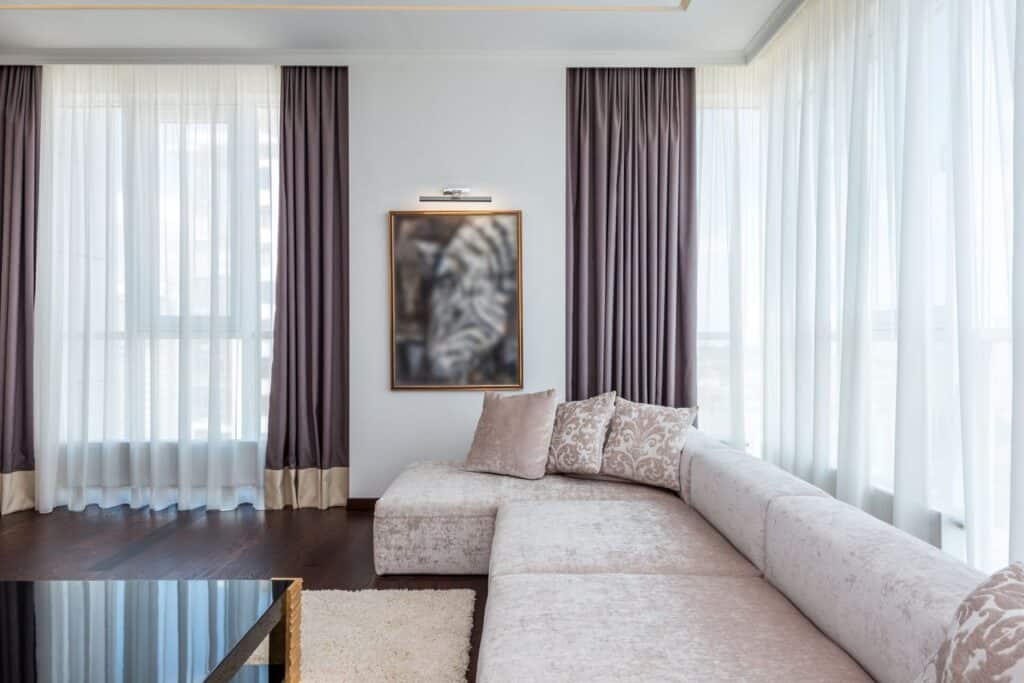
Wave curtains provide a practical middle ground. Their vertical folds soften expansive glass without making the room appear visually crowded. When paired with automation, they become easier to adjust throughout the day.
For homeowners considering wave curtains dubai solutions, several details deserve attention:
- Sun exposure: Fabric selection should reflect the amount of direct sunlight entering the room.
- Privacy: Sheer and blackout layers can provide different levels of control.
- Room proportions: Full-height curtains can emphasise ceiling height and make broad windows feel more balanced.
- Interior style: Neutral fabrics generally complement minimalist spaces, while textured materials can add depth.
- Automation goals: Decide whether you need remote control, scheduled movement, or smart home integration.
Urban Shades can help match the curtain design, track system, and automation requirements to the space rather than treating each component as a separate purchase.
Getting the Installation Right
Even a high-quality motor can perform poorly when the installation isn’t planned correctly. The track needs secure mounting, the curtain must carry the right amount of fabric, and the motor should match the system’s load.
Professional installation should address:
- Accurate measurements: The track and fabric dimensions should correspond precisely with the window.
- Secure fixing: Mounting points need to support the complete curtain assembly.
- Correct motor selection: Motor capacity should suit fabric weight and curtain size.
- Panel alignment: Meeting points should look clean when the curtains are fully closed.
- Operational testing: Movement, stopping points, and control functions should be checked before handover.
A properly configured system should move steadily without dragging, excessive noise, or uneven folding.
A Smarter Approach to Window Dressing
Motorized wave curtains make sense when aesthetics and everyday usability need to work together. They maintain the relaxed rhythm of wave folds while giving homeowners greater control over light, privacy, and movement.
The best results come from treating the curtain as part of the room’s overall design rather than adding automation as an afterthought. Fabric weight, track dimensions, fold spacing, window size, and control preferences all influence the finished result.
For modern Dubai interiors, that combination creates a window treatment that looks composed when stationary and operates effortlessly when needed.