
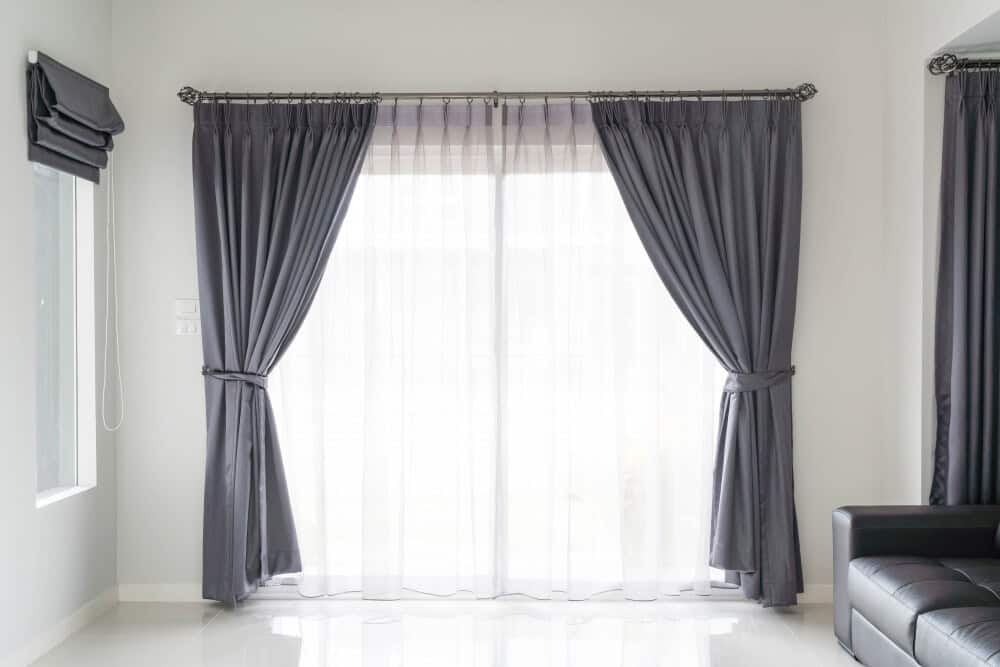
A window treatment can change more than the amount of sunlight entering a room. It influences how tall a window appears, how much softness the interior has, and how easily the space transitions between bright and shaded. Wave curtains and Roman blinds take very different approaches. One creates flowing fabric across the window, while the other folds neatly upward. For Dubai homes, the right choice depends on the window size, room function, interior style, and level of light control required.
What Makes Wave Curtains Different?
Wave curtains use a specialised track system to create continuous S-shaped folds across the fabric. The folds remain evenly spaced as the curtain moves, producing a clean and flowing appearance. They work particularly well across wide openings because the fabric can extend beyond the window and frame the surrounding architecture.
The track can also be positioned discreetly, making wave curtains suitable for contemporary interiors where visible hardware isn’t desirable.
- Create continuous, evenly spaced fabric folds.
- Work with ceiling-mounted or wall-mounted tracks.
- Suit large windows and sliding glass doors.
- Can be paired with sheer or blackout fabrics.
- Offer manual and motorized operating options.
What Makes Roman Blinds Different?
Roman blinds fold upward in horizontal sections when raised. Unlike curtains, they remain close to the window rather than extending across the surrounding wall. This creates a compact treatment with a tailored appearance.
Roman blinds can introduce texture and pattern without requiring extensive fabric around the opening. They’re particularly useful where wall space is limited or where homeowners prefer a cleaner window-focused design.
- Fold upward into neat horizontal sections.
- Sit close to the window frame.
- Work well with patterned and textured fabrics.
- Provide a structured decorative appearance.
- Suit individual windows and smaller openings.
Wave Curtains vs Roman Blinds for Dubai Interiors
The architecture of the room should guide the decision. Wave curtains naturally complement floor-to-ceiling glazing, open-plan spaces, and sliding doors. Their vertical fabric lines can also reinforce the height of tall windows.
Roman blinds offer a more compact solution. They’re often a good match for smaller windows, kitchens, bedrooms, or interiors where furniture sits close to the glazing.
For modern Dubai residences, wave curtains dubai solutions can work especially well when expansive glass is a defining architectural feature.
- Choose wave curtains for broad or full-height glazing.
- Choose Roman blinds where space around the window is limited.
- Use wave curtains to soften large architectural openings.
- Use Roman blinds when you want the window treatment to stay compact.
- Consider the furniture layout before selecting either option.
Which Provides Better Light and Privacy Control?
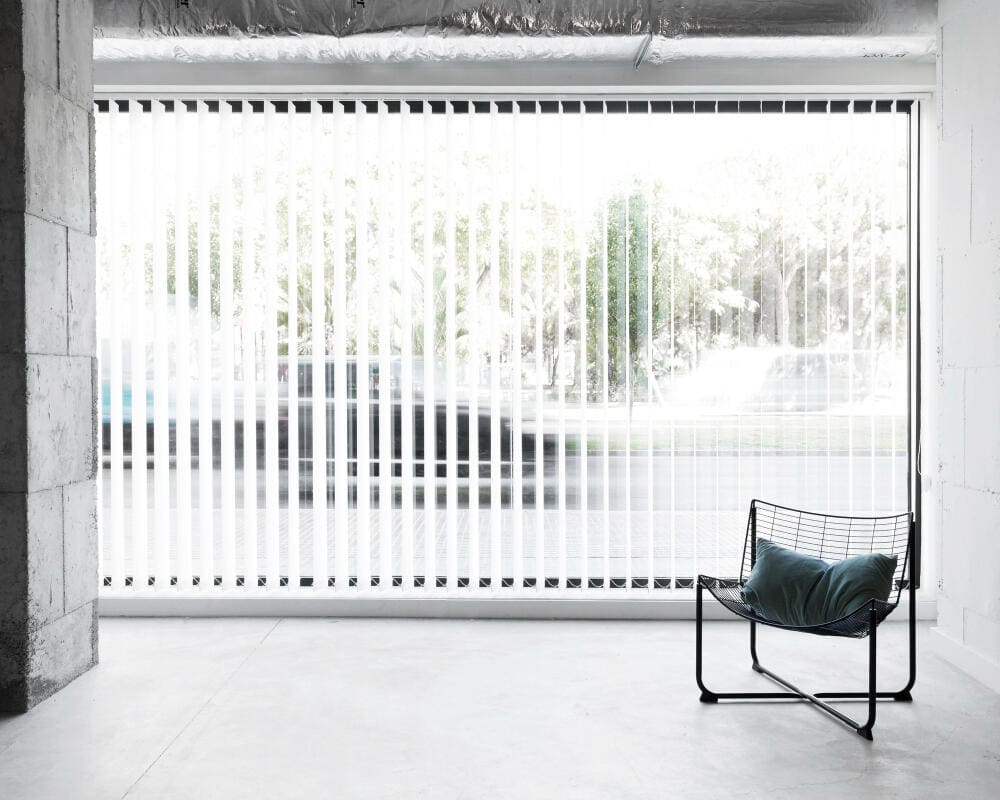
Both options can provide strong light and privacy control when the fabric is selected correctly. A sheer wave curtain can diffuse harsh daylight while keeping a room bright, whereas a blackout version can create a much darker environment.
Roman blinds can also use blackout or light-filtering materials. Their close-to-window positioning can be useful when the goal is to treat individual windows rather than an entire wall of glass.
- Choose sheer materials for filtered natural light.
- Use blackout fabrics in bedrooms where stronger darkness is preferred.
- Consider privacy requirements for street-facing or overlooked windows.
- Layering can provide greater flexibility in living spaces.
- Match fabric performance to the room’s daily use.
Which Is Better for Large Windows?
Large windows generally favour wave curtains because the track system allows the fabric to span wide openings while maintaining a consistent fold pattern. They’re also practical for sliding doors because the panels can move along the opening without requiring the fabric to fold upward.
Roman blinds can cover wide windows, but their construction means the fabric gathers upward when opened. Larger blinds may also become heavier and require appropriate operating hardware.
- Wave curtains suit expansive glass walls.
- Sliding doors pair naturally with curtain tracks.
- Roman blinds work well for individual window openings.
- Large Roman blinds require carefully selected hardware.
- Consider stacking space when planning curtain installations.
How to Choose Between Them
Start by looking at the window rather than the product catalogue. A tall glass wall usually benefits from the softness and vertical emphasis of curtains. A compact bedroom window may look more balanced with a Roman blind.
Urban Shades can help homeowners compare fabrics, operating systems, and installation styles based on the actual room. This is particularly useful when choosing treatments for multiple windows because different rooms don’t always need identical solutions.
- Consider window width and height first.
- Decide whether the treatment should frame or sit within the opening.
- Match the fabric to your required light control.
- Consider motorization for large or frequently used treatments.
- Keep the home’s overall interior style consistent.
Conclusion
Wave curtains and Roman blinds solve similar window-covering needs through very different designs. Wave curtains bring flowing fabric, strong visual continuity, and flexibility across large openings. Roman blinds provide a compact, structured treatment that works especially well around individual windows. For Dubai homes with expansive glazing and contemporary architecture, wave curtains often provide the stronger visual fit, while Roman blinds can be ideal for smaller or more contained spaces. Urban Shades can help match the right treatment to each window’s proportions, function, and interior character.