
Choosing curtains involves more than selecting a fabric colour. The heading determines how the material falls, how much visual space the treatment occupies, and which hardware the window needs. Wave and eyelet curtains can both create soft folds, but they achieve that effect in very different ways. For Dubai homes with contemporary interiors, large windows, and extensive glazing, understanding those differences makes the decision much easier.
What Are Wave Curtains?
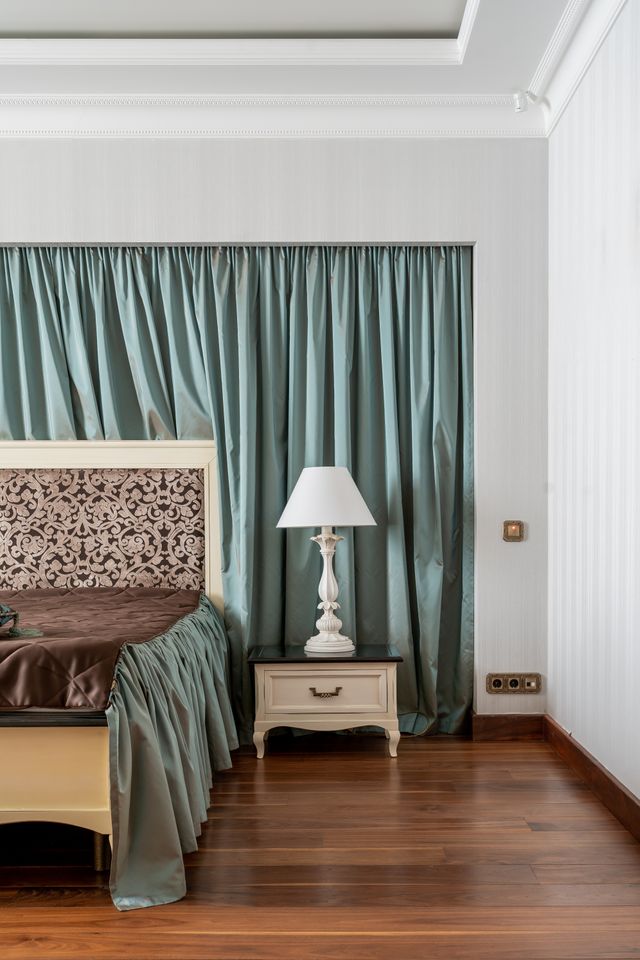
Wave curtains use a dedicated track and glider system to create continuous S-shaped folds. The fabric follows a consistent rhythm from one end to the other, giving the window a neat architectural appearance. Unlike traditional pleats, the folds aren’t individually stitched into fixed groups.
The system also keeps the curtain looking organised when it is drawn or stacked. This makes wave curtains particularly suitable for wide windows and sliding glass doors where visual continuity matters.
- Creates evenly spaced S-shaped folds.
- Uses a compatible curtain track.
- Works with sheer, dimout, and blackout fabrics.
- Provides a clean profile with minimal visible hardware.
- Complements contemporary and minimalist interiors.
What Are Eyelet Curtains?
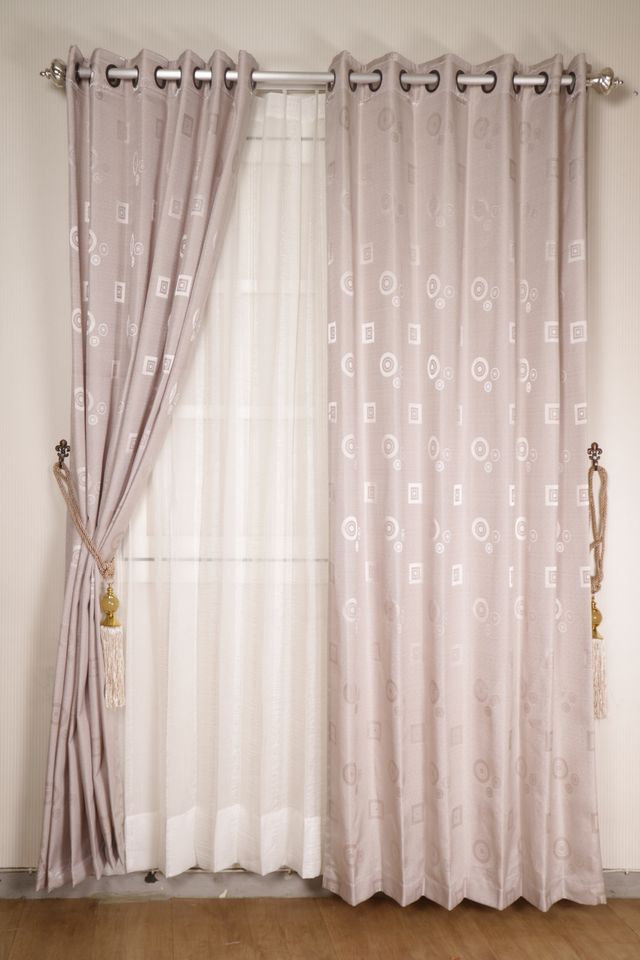
Eyelet curtains have reinforced metal rings fitted directly into the top of the fabric. A curtain pole passes through these rings, creating broad folds between each eyelet. The design is relatively straightforward and gives the curtain a relaxed, contemporary character.
The visible pole and eyelets become part of the overall appearance, which can be useful when the hardware is intended to complement other finishes in the room.
- Uses metal rings attached directly to the fabric.
- Requires a suitable curtain pole.
- Creates broader, more relaxed folds.
- Offers a simple and familiar installation method.
- Works well in casual and uncomplicated interiors.
Wave vs Eyelet: Which Looks Better?
The answer depends on the atmosphere you’re trying to create. Wave curtains generally deliver a more refined, continuous appearance, while eyelet curtains introduce a slightly more casual character. Current window treatment guidance also identifies ripple or wave folds with contemporary interiors, while eyelets remain a straightforward pole-based option.
For a Dubai apartment with floor-to-ceiling glass, concealed tracks, and clean-lined furniture, the uninterrupted folds of wave curtains can feel more integrated. Eyelets may work better where the curtain pole is deliberately visible and contributes to the room’s decorative style.
- Choose wave for a streamlined architectural appearance.
- Choose eyelet for a relaxed and accessible look.
- Wave curtains keep the heading visually understated.
- Eyelets make the pole and rings part of the design.
- Consider the existing hardware finishes before choosing eyelets.
Which Is More Practical for Dubai Homes?
Dubai interiors often feature large glazed surfaces, which can make curtain operation and installation especially important. Wave systems are designed around tracks, making them suitable for ceiling-mounted arrangements and wide openings. They can also work well with motorized operation when convenience is a priority.
Eyelet curtains have a simpler hardware arrangement, but conventional eyelets are designed to slide over a pole rather than a standard curtain track. That limitation matters when the design calls for a recessed ceiling track or a minimal hardware appearance.
- Wave curtains suit ceiling-mounted track installations.
- Eyelets require a compatible curtain pole.
- Wave systems are well suited to motorized operation.
- Both styles can accommodate light-filtering and blackout fabrics.
- Large windows should be planned around the curtain’s opening and stacking space.
Fabric Choices and Light Control
The fabric can completely change how either heading looks. Lightweight sheers produce an airy treatment, while blackout materials create a denser appearance and stronger control over incoming light. In bright Dubai interiors, fabric selection should consider the room’s privacy needs and exposure rather than relying solely on appearance.
A wave heading tends to emphasise the fabric’s continuous movement. Eyelets create more noticeable breaks where each ring gathers the material.
- Use sheer fabrics where filtered daylight is desirable.
- Consider blackout fabrics for bedrooms and media spaces.
- Choose lighter materials for an understated appearance.
- Match fabric weight with the chosen hardware.
- Consider maintenance requirements before selecting the final material.
Which Curtain Style Should You Choose?
Think about the room’s architecture first. If your priority is a clean, sophisticated treatment that works with expansive glazing, wave curtains are usually the stronger choice. If you prefer visible hardware and a simpler pole-based installation, eyelets can provide an effective alternative.
When comparing wave curtains dubai options, don’t judge the two styles from fabric samples alone. The finished result depends on the track or pole, fabric fullness, window dimensions, stacking arrangement, and installation height.
Urban Shades can help homeowners assess these elements together so the curtain heading supports both the interior style and everyday use. For a contemporary villa or apartment, that complete approach can make the difference between curtains that simply cover a window and a treatment that feels properly integrated.
- Select wave when clean lines and consistency are priorities.
- Select eyelets when a visible pole suits the interior.
- Consider motorization for frequently used or oversized curtains.
- Plan track or pole placement before finalising the fabric.
- Match the curtain style to the architecture, not just the furniture.
Conclusion
Wave and eyelet curtains can both create attractive folds, but their design language and hardware are distinctly different. Wave curtains offer controlled movement, discreet hardware, and a contemporary finish, while eyelets provide a simpler pole-based solution with a more relaxed character. For many modern Dubai interiors, wave curtains are particularly well suited to large glazing and minimalist architecture. Eyelets remain useful where visible poles and straightforward styling fit the room. Urban Shades can help bring the fabric, heading, hardware, and installation together for a balanced result.